Teaching Graphic Novels: Innovative Ideas That Excite Readers
Graphic novels are often praised for engaging reluctant readers. But when teaching graphic novels, and teachers approach them strategically, they become something far more powerful: rich texts for analysis, discussion, and critical thinking.
In the first posts in this series, we explored:
- How graphic novels engage readers while delivering meaningful content
- How teaching graphic novels builds visual literacy and analytical thinking
If you missed those articles, start here:
- Post 1: Why Teaching Graphic Novels Works for Engagement and Content
- Post 2: Teaching Graphic Novels as Visual Literacy
- Post 3: The Surprising Strength of Teaching Graphic Novels
Today’s focus moves a step further. The real question is this:
How do we make graphic novel units academically rigorous?
The answer lies in structuring instruction across multiple levels of thinking.
A Three-Level Framework for Teaching Graphic Novels
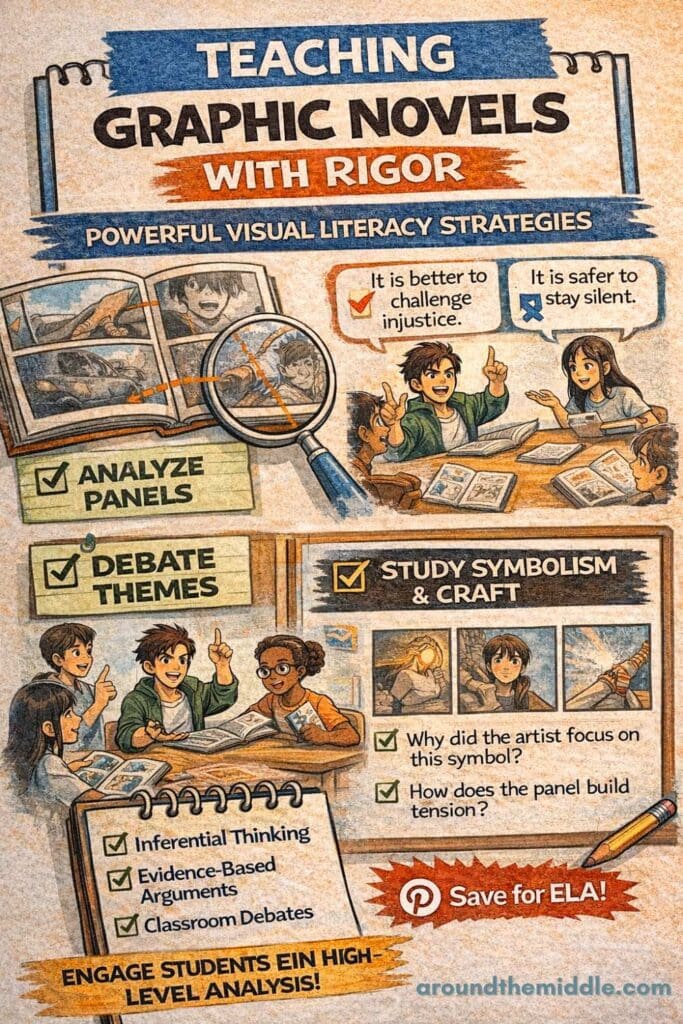
Strong instruction moves students beyond simply reading the story. When teaching graphic novels, it helps to think about learning in three levels:
- Surface comprehension
- Literary analysis
- Critical thinking and argument
Each level deepens students’ engagement with the text.
Level 1: Surface Comprehension
At the first level, students develop a clear understanding of the story itself.
This includes:
- Plot sequencing
- Character identification
- Setting and conflict
- Major story events
Graphic novels are particularly effective here because the visual structure helps students track narrative progression.
Students can:
- Reconstruct events from panels
- Identify turning points in the story
- Track character development visually
For example, when teaching graphic novels like New Kid or When Stars Are Scattered, students can analyze how the story unfolds through both dialogue and illustration.
Even at this foundational level, visual elements support comprehension by:
- Reinforcing context
- Showing emotional cues
- Providing narrative pacing
But rigorous instruction cannot stop here.
Level 2: Literary Analysis
The second level moves students into deeper literary thinking.
This is where graphic novels reveal their real academic value.
Students analyze how meaning is constructed through both text and image.
Key analytical skills include:
Theme Development
Students track how themes emerge across chapters and scenes.
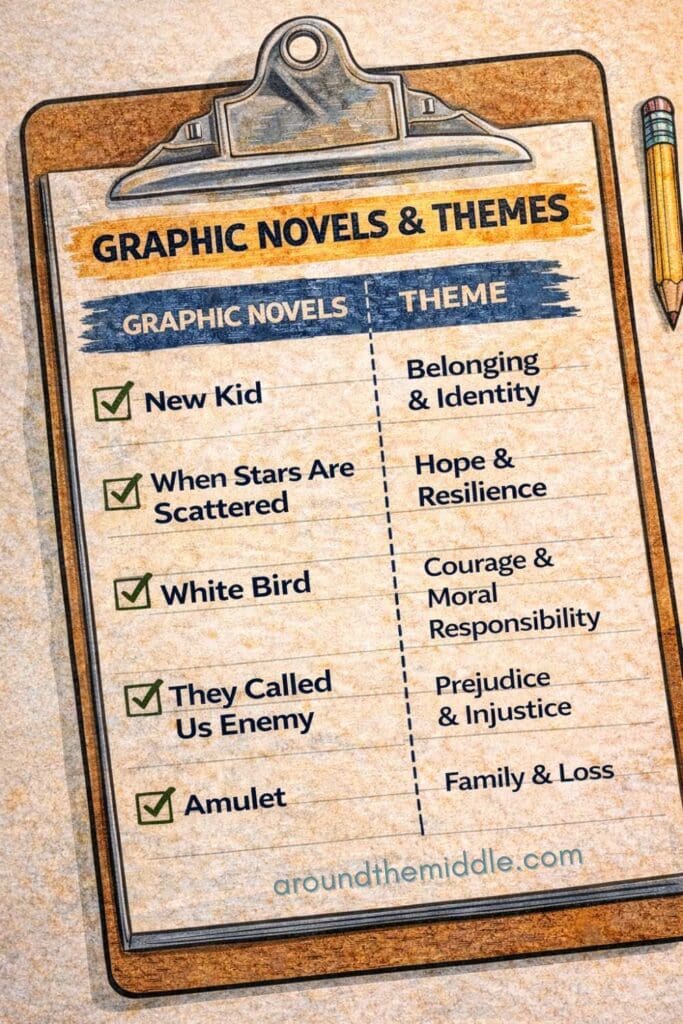
For example:
- Belonging and identity in New Kid
- Courage and moral responsibility in White Bird
- Resilience and hope in When Stars Are Scattered
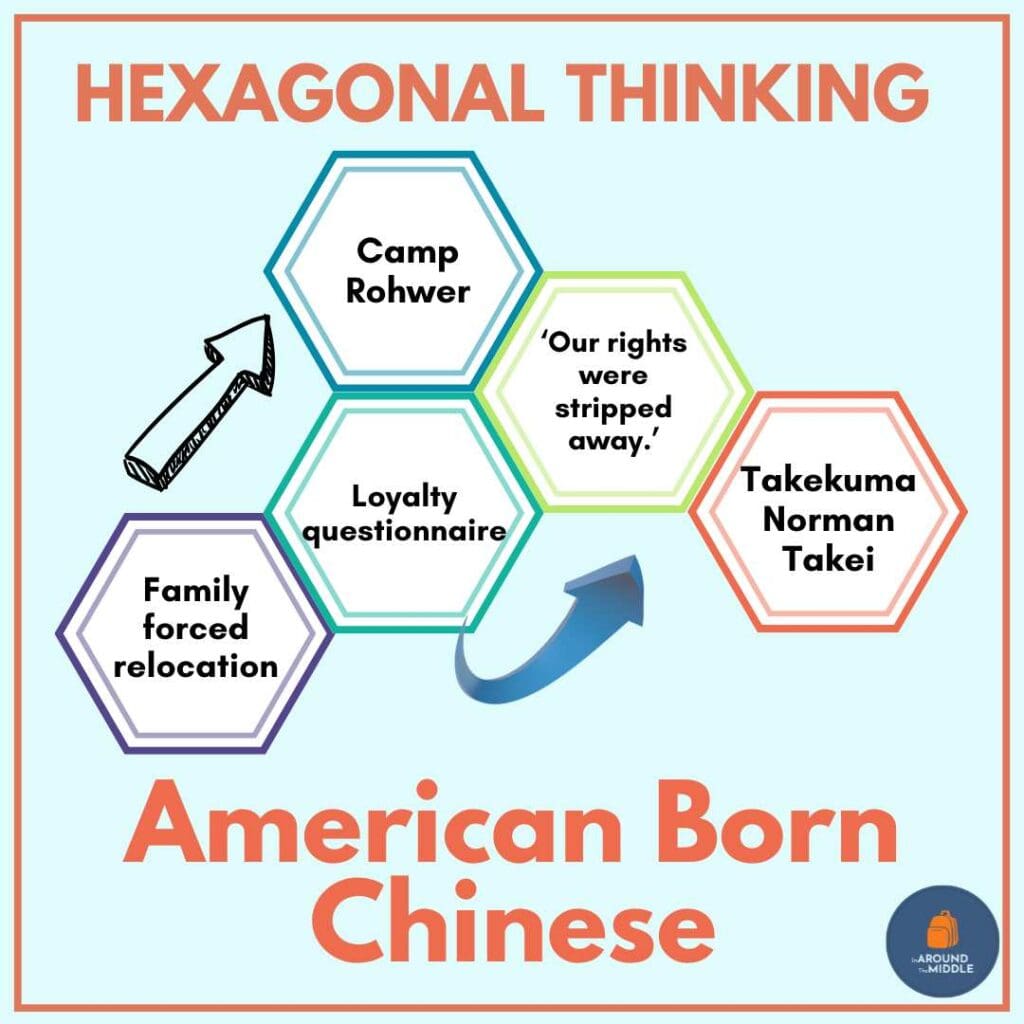
A strategy that works particularly well here is structured hexagonal thinking, where students connect ideas such as characters, themes, conflicts, and symbols.
This approach helps students see relationships across the text, rather than analyzing elements in isolation.
Symbolism
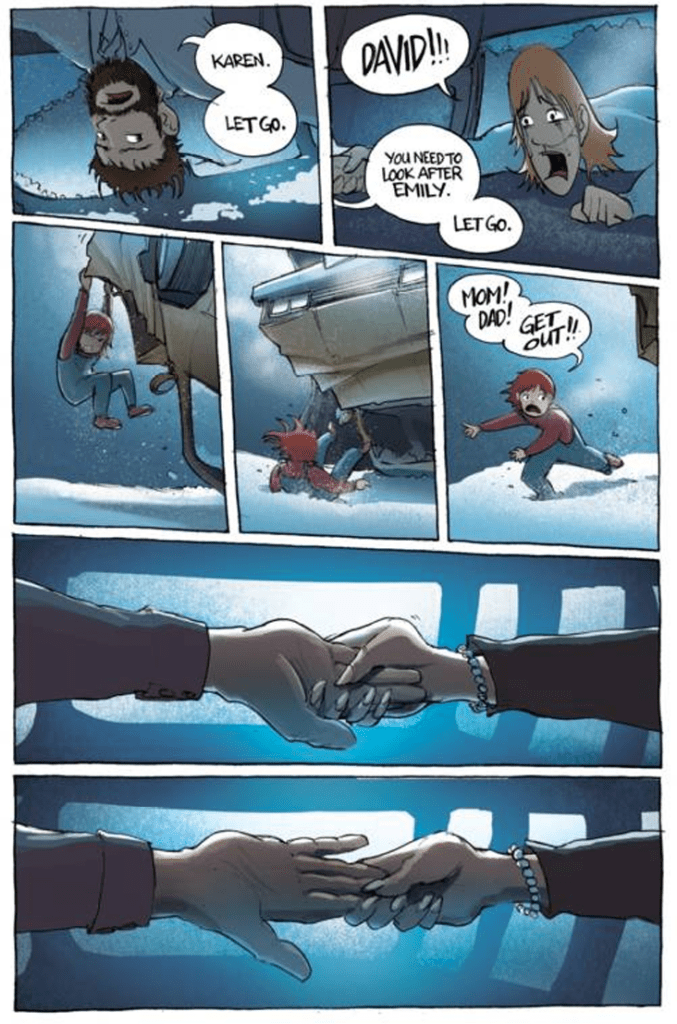
Graphic novels rely heavily on visual symbolism.
Students may examine:
- Recurring imagery
- Color symbolism
- Background details that reinforce theme
In texts like Amulet, visual motifs help reinforce tone and narrative tension.
When teaching graphic novels, encouraging students to notice these patterns strengthens symbol interpretation and visual inference.
Conflict Analysis
Graphic novels also make conflict more visible.
Students can identify:
- Internal conflict shown through body language
- Social conflict revealed through panel interactions
- Historical conflict presented through setting and imagery
These discussions often lead naturally into comparative panel analysis, where students examine how artists represent conflict visually.
Level 3: Critical Thinking and Argument
The most powerful graphic novel units push students into discussion, debate, and interpretation.
At this level, students move beyond identifying meaning to defending their ideas with evidence.
This is where teaching graphic novels becomes truly rigorous.
Teaching Graphic Novels with Evidence-Based Debates
Debate activities encourage students to take positions on complex ideas within the text.
For example:
- Should characters challenge unfair systems?
- Do individuals have a responsibility to resist injustice?
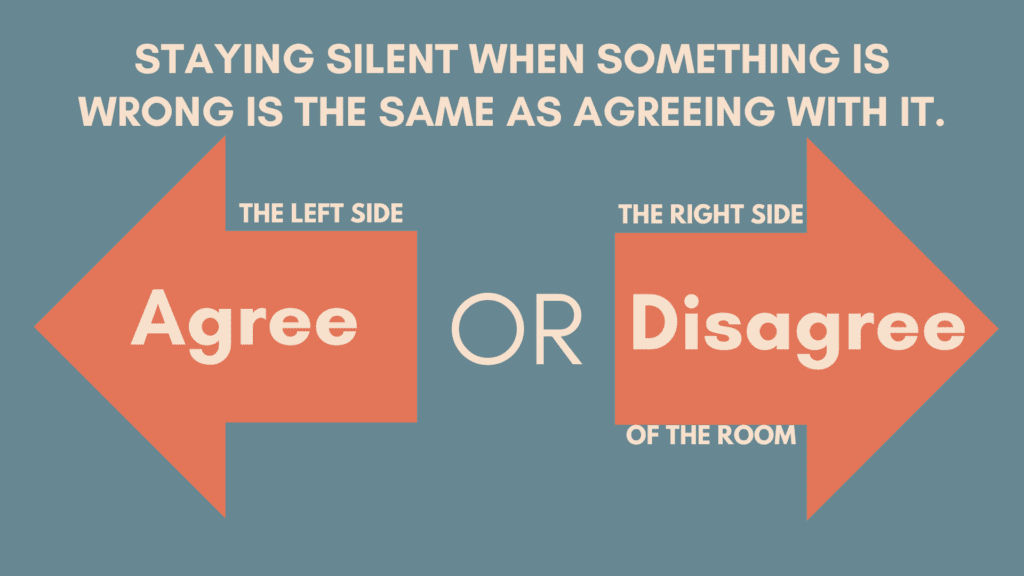
- When is silence harmful?
These types of questions work especially well with historical and social justice texts such as White Bird or They Called Us Enemy.
Students must support their arguments using:
- Dialogue evidence
- Visual cues from panels
- Character actions across the narrative
This process strengthens evidence-based reasoning and academic discussion skills.
teaching graphic novels with Socratic Seminars
Graphic novels also provide excellent material for Socratic seminars.
Students can explore questions such as:
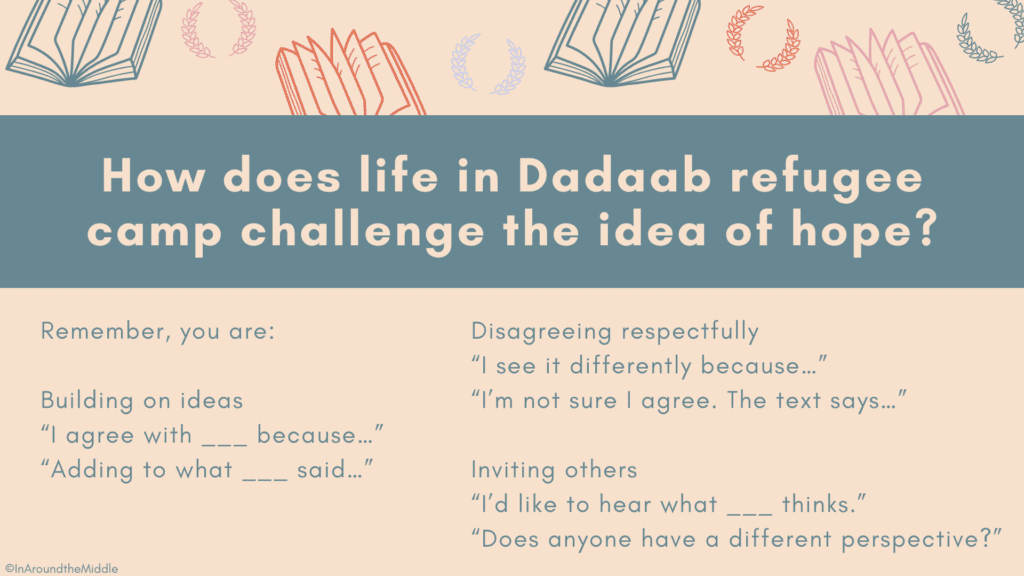
- How does perspective shape the reader’s understanding of events?
- What message is the author communicating about identity or courage?
- How do visuals influence our interpretation of characters?
Because the texts combine words and images, students often find more evidence to analyze and interpret.
Author Craft Analysis
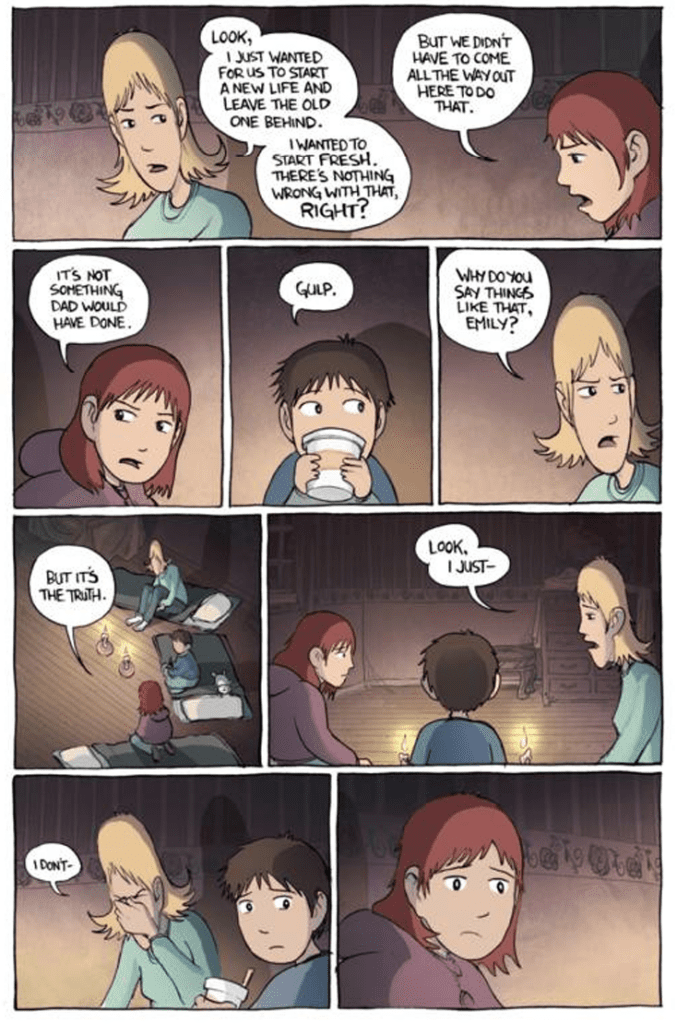
Navin’s placement literally between the two panels shows his role in the conflict.
At the highest level, students begin examining how the author constructs meaning.
They analyze decisions such as:
- Panel pacing
- Framing and perspective
- Facial expressions and body language
- Scene transitions
These craft decisions shape the emotional and thematic impact of the story.
Teaching graphic novels through this lens strengthens structural analysis and visual literacy.
Using Graphic Novel Activities to Deepen Rigor
The most effective graphic novel units combine analysis with active engagement.
Activities that work particularly well include:
- Pre-reading scaffolds that build historical or cultural context
- Figurative language scavenger hunts to examine author craft
- Hexagonal thinking activities to map theme connections
- Evidence-based debates that push students to defend interpretations
- Escape room reviews that synthesize understanding across the text
These strategies help students interact with the text in multiple ways while maintaining academic rigor.
Why Teaching Graphic Novels Works
When taught intentionally, graphic novels develop skills that are central to strong literacy instruction.
Students practice:
- Inferential reasoning
- Structural analysis
- Symbol interpretation
- Perspective evaluation
- Thematic synthesis
- Evidence-based argumentation
In other words, graphic novels demand sophisticated thinking.
They are not easier texts.
They are different texts—ones that require students to read visually as well as linguistically.
What’s Next in This Series
In next week’s post, we will take the next step in this process:
How to structure a full graphic novel unit from beginning to end.
We will explore:
- Planning an 8-week graphic novel unit
- Structuring pre-reading, during-reading, and post-reading activities
- Using discussion, writing, and analysis to deepen comprehension
If you want to see how these strategies translate into classroom resources, you can also explore the graphic novel activities available in my store.
They are designed to support rigorous, discussion-rich instruction while keeping students actively engaged with the text. Still not sure where to start? Grab lesson 1 of my 8-week unit for free here!
Happy teaching!