Dynamic Novel Study Activities to Bring Energy to During Reading Time
When students first dive into a class novel, excitement and curiosity carry them through the opening chapters. But maintaining that engagement as the story unfolds — while also building critical thinking — takes intentional planning of your novel study activities.
In this post, we’ll explore novel study activities for during reading that adapt as comprehension deepens. These strategies help students shift from understanding what’s happening to analyzing why it matters, all while keeping reading purposeful and interactive.
(If you missed Part 1 on pre-reading activities, you can find it here.)

From Curiosity to Critical Thinking
In the early stages of a novel study, students are collecting clues — about characters, setting, and plot. But as the chapters progress, their role should evolve from curious reader to thoughtful analyst.
That’s where during reading activities make the difference. They encourage students to pause, question, and connect ideas while the story grows in complexity.
A strong pre-reading foundation (see Part 1) sets the stage for this shift. Once students have context and curiosity, teachers can guide them toward deeper comprehension — interpreting figurative language, tracking character motivations, and noticing themes as they emerge.
Quick and ready Novel Study Activities That Guide and Challenge Students
Engaging students mid-novel doesn’t require a complete lesson overhaul — it’s about evolving the focus of your activities as the text unfolds. Try building from guided comprehension toward interpretation with adaptable tools like these:
Figurative Language Scavenger Hunts (Novel-Specific)
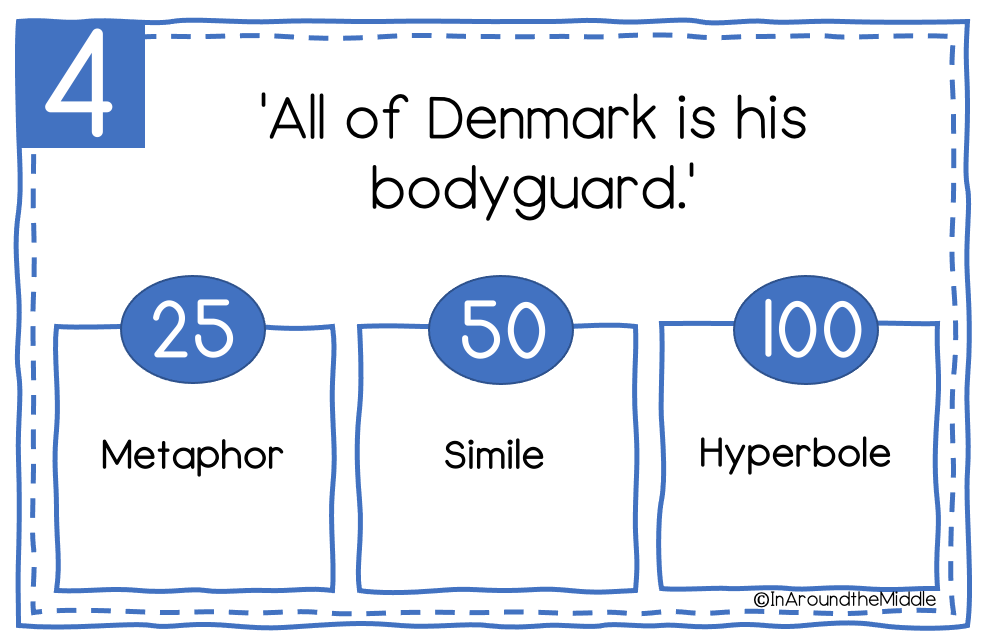
Encourage students to pay attention to how the author uses language to shape tone, mood, or character insight. My Figurative Language Scavenger Hunt resources make this process interactive and text-specific — ideal for students who need to “see” literary craft in action.
Students can work individually or in pairs to collect examples of similes, metaphors, personification, and more, as they read, recording what effect each has on the story. This keeps their focus on author intent rather than simple identification.
$1 Task Cards for Any Novel
Perfect for flexible use, these Dollar Deal Task Cards include comprehension and analysis prompts that fit any text or level. Use them for quick warm-ups, group discussions, or fast finishers to keep reading time structured but student-driven.
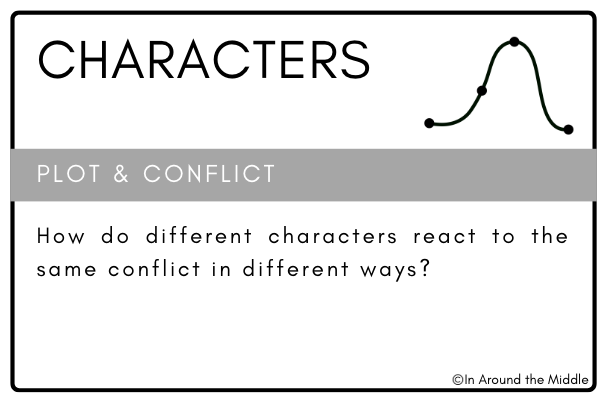
Each card can be reused across different novels — for instance, “Describe a moment where a character’s decision changes the story’s direction” or “What’s a symbol that’s starting to form in this chapter?” These open-ended tasks work just as well in short novels as in extended studies.
Low-Prep Classroom novel study Activities
Not every activity needs to be digital or complex. Some of the most effective novel study activities for during reading are those that invite ongoing interaction and reflection. Here are a few simple, high-impact ideas that can fit seamlessly into any novel study:
1. Character Tracking Charts or Empathy Journals
As students read, have them track how characters grow, make decisions, or face challenges. This can be a visual chart (for example, a character web or growth ladder) or a reflective journal written in first-person voice — “How might this character be feeling right now?”
This activity strengthens empathy and inference skills, encouraging students to look beyond actions to motives and emotions. It also creates excellent evidence for later theme discussions or essay writing.
2. Sticky Note “Questions While Reading” Wall
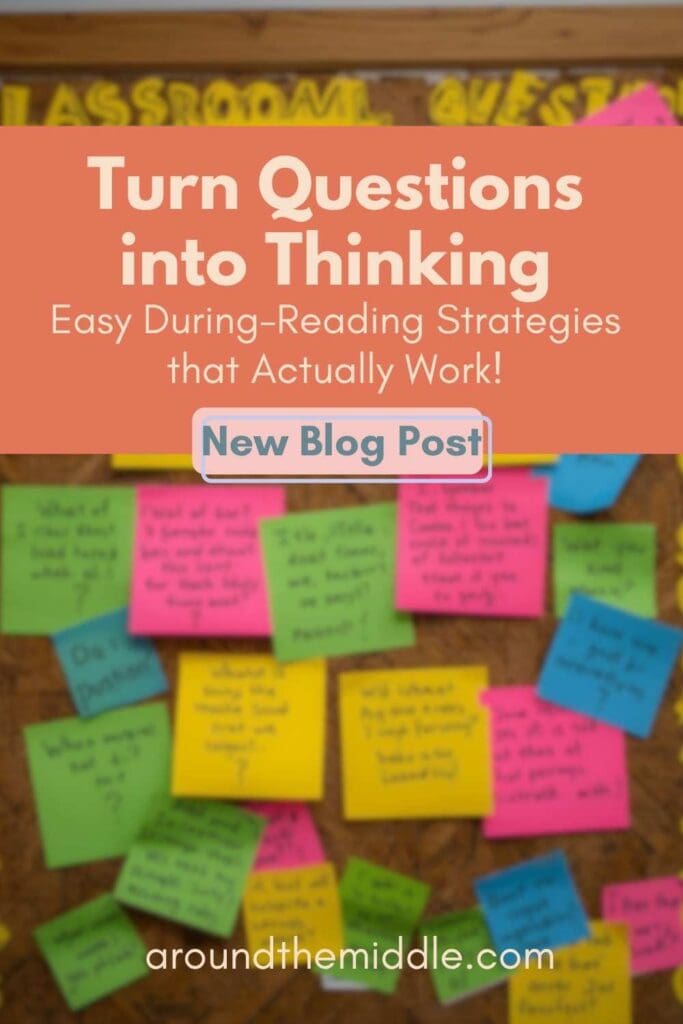
Give each student a stack of sticky notes and a class wall or board section. As they read, they jot down questions, confusions, or interesting observations (“Why didn’t the character tell the truth here?” or “Could this object be a symbol?”).
These notes form the basis of quick discussion starters at the end of each chapter or section. It’s a living record of curiosity — and it keeps all students engaged, even quieter ones who might not volunteer ideas out loud.
3. Group Mini-Discussions After Key Chapters
Instead of reserving discussion for the end of the novel, build short, structured checkpoints. Assign small groups 3–4 key questions to unpack: character motives, turning points, or shifts in tone.
Encourage students to back up ideas with textual evidence — one quote, one explanation. Rotating group roles (summarizer, connector, questioner) ensures everyone participates.
This format transforms discussion into a collaborative analysis rather than a teacher-led review.
4. Quote Sort: “Who Said It?” or “Why Does It Matter?”
Select 8–10 key quotes from recent chapters. Ask students first to identify who said each line, and then to discuss why it matters in the story’s larger context.
This activity sharpens recall but quickly transitions into deeper interpretation — connecting dialogue to character motivation, conflict, or theme. It’s ideal for fast finishers or small-group rotations.
3. Integrating Skill Practice Naturally
The most effective novel study activities for during reading don’t feel like worksheets — they feel like thinking. Each task can support multiple curriculum goals without requiring a separate lesson plan. Here’s how to align your reading activities with key literacy outcomes:
Inference and Interpretation
Encourage students to read between the lines — not just what’s said, but what’s meant.
Use think-alouds or short written reflections: “What clues tell you how this character is feeling even if it’s not stated?” or “What can we infer about this setting based on sensory details?”
Inference journals or paired discussions help make these invisible skills visible.
Theme Development
As the novel unfolds, students can track potential themes and how they evolve. Have them record emerging ideas (“family,” “power,” “identity”) and add examples or quotes as they appear.
By the end, students will have a visual map of theme progression — excellent for essay prep or creative synthesis projects. For more on teaching theme, check out my post here.
Character Analysis and Relationships
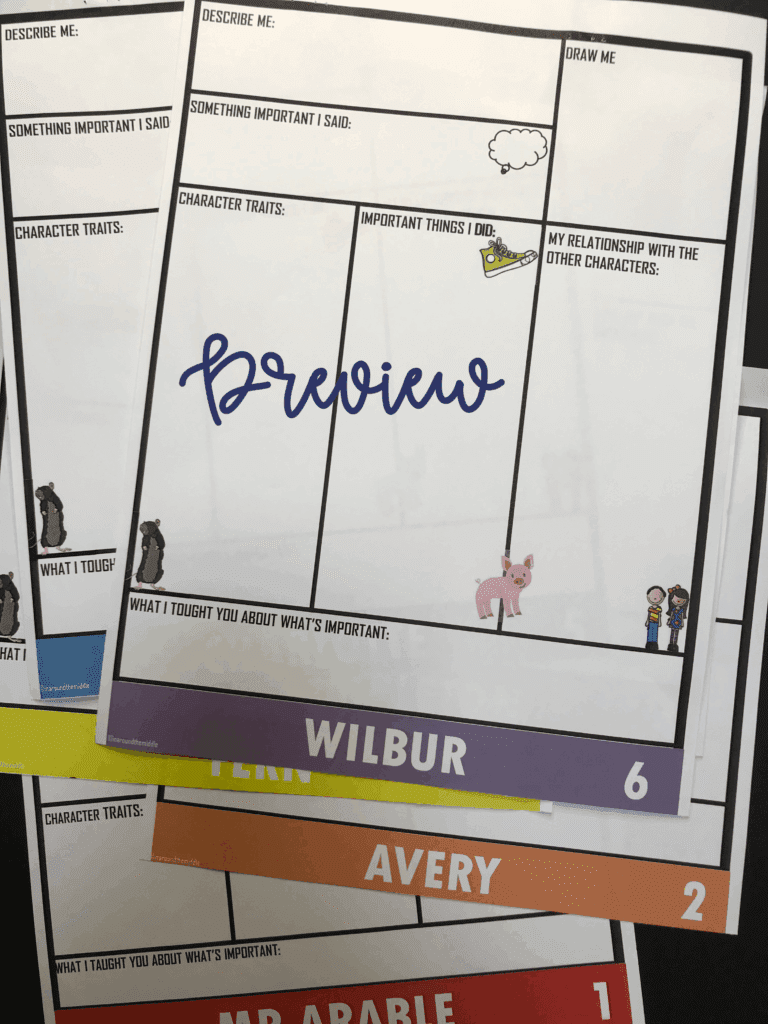
Use simple “relationship maps” where students track alliances, conflicts, or character changes across the book.
Encourage annotations in the margins (“This is when she starts to trust him again”) or use digital tools like Google Jamboard for interactive mapping.
This builds critical understanding of cause and effect, emotional arcs, and author technique. If your students are quite ready for this, try a character analysis flipbook. These give a more direct guide for students to make those connections.
Figurative Language and Author’s Craft
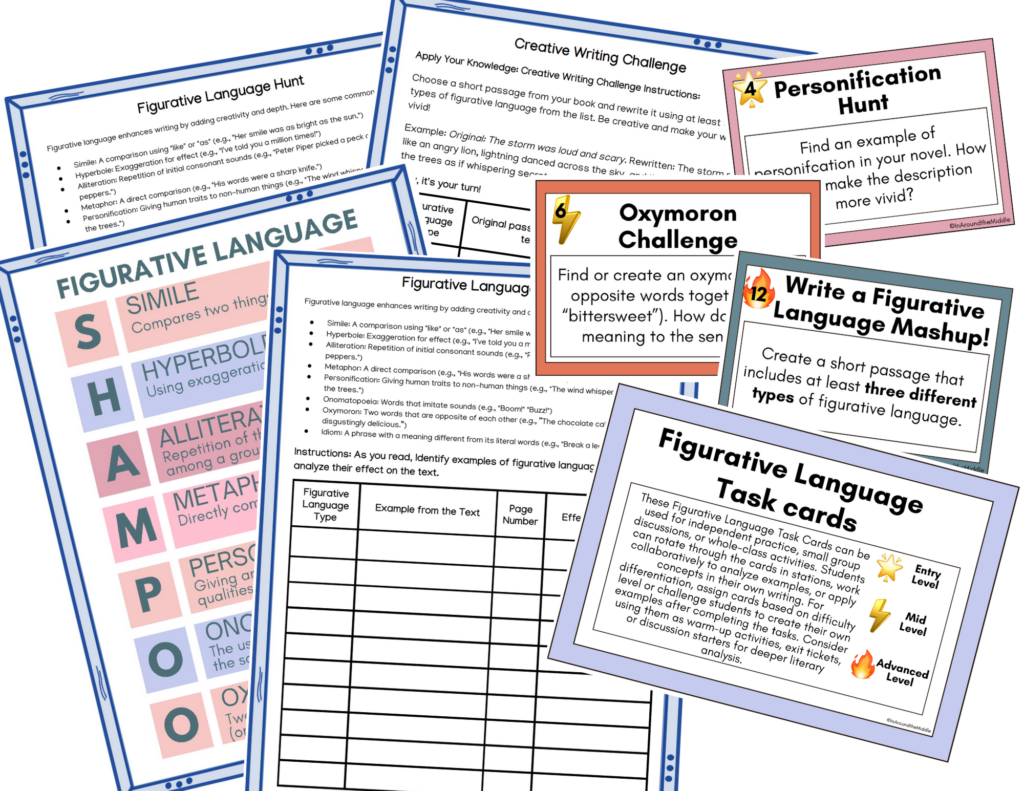
When students recognize literary devices in context, they understand how writers build meaning, not just what the devices are.
My Free Figurative Language Activity supports this process across any text. Students collect real examples from their novel, label the device, and describe its purpose — bridging identification and interpretation naturally.
Tone and Perspective
Ask students to consider how tone shifts over time — does it grow darker, more hopeful, or more chaotic? Pair tone-tracking with perspective questions: “How would this scene feel different if told from another point of view?”
This builds awareness of author choices and helps connect literary craft to emotional impact.
Final Thoughts: Novel Study Activities – moving from during to after reading
Finishing the last page doesn’t mean the learning ends — in fact, some of the richest thinking happens after the book closes. In Part 3 of this series, we’ll explore post-reading activities that help students synthesize, reflect, and create — turning what they’ve read into lasting understanding.
Happy teaching!