
Proven Ways to Run a Socratic Seminar During a Novel Study with Confidence
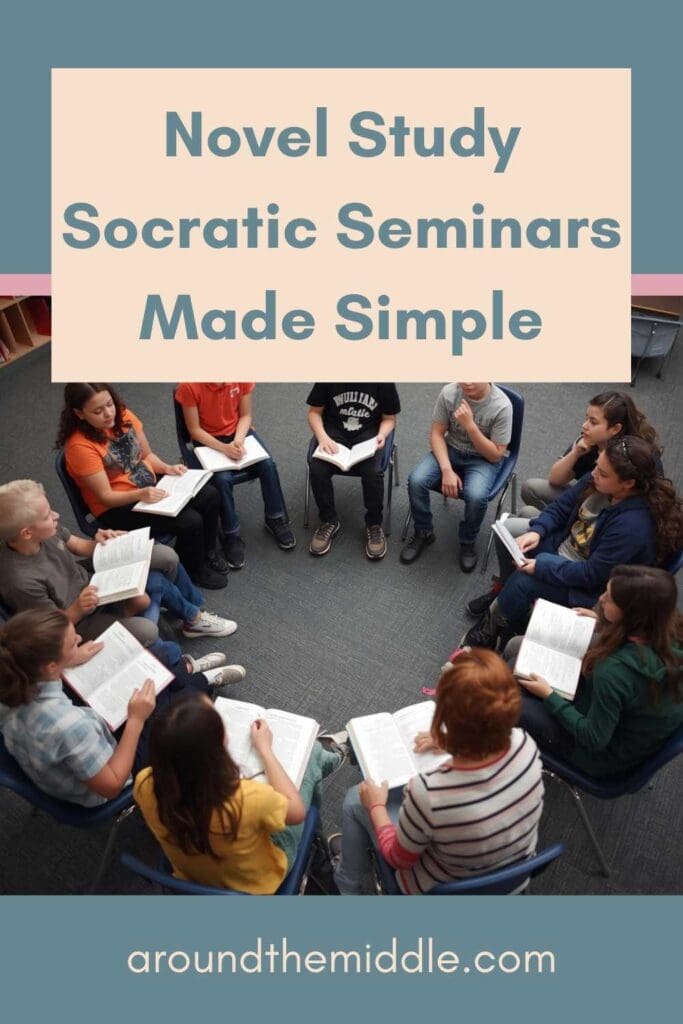
Running a Socratic Seminar during a novel study is where many teachers hit resistance. Students either dominate, disengage, or freeze—and suddenly the discussion feels chaotic instead of meaningful.
This post is Part 2 in a 3-part series on using Socratic Seminar as part of a novel study, and it focuses on the how: the structures, routines, and expectations that make a Socratic Seminar work in real classrooms.
If you missed the foundation, start with Part 1: Socratic Seminar Ideas for Novel Studies before implementing the strategies below.

Why Socratic Seminar Needs Structure in a Novel Study
A Socratic Seminar in a novel study is not a one-off conversation. It is an ongoing routine that develops across chapters, themes, and character arcs.
Because students revisit the text over time, Socratic Seminar expectations must stay consistent. Without structure:
- Discussions drift away from the novel
- A few voices dominate
- Students stop preparing because accountability is unclear
A strong novel study Socratic Seminar depends on predictable routines so students can focus on thinking—not guessing what the discussion will look like each time.
How to Structure a Socratic Seminar for a Novel Study
When planning a Socratic Seminar for a novel study, simplicity wins.
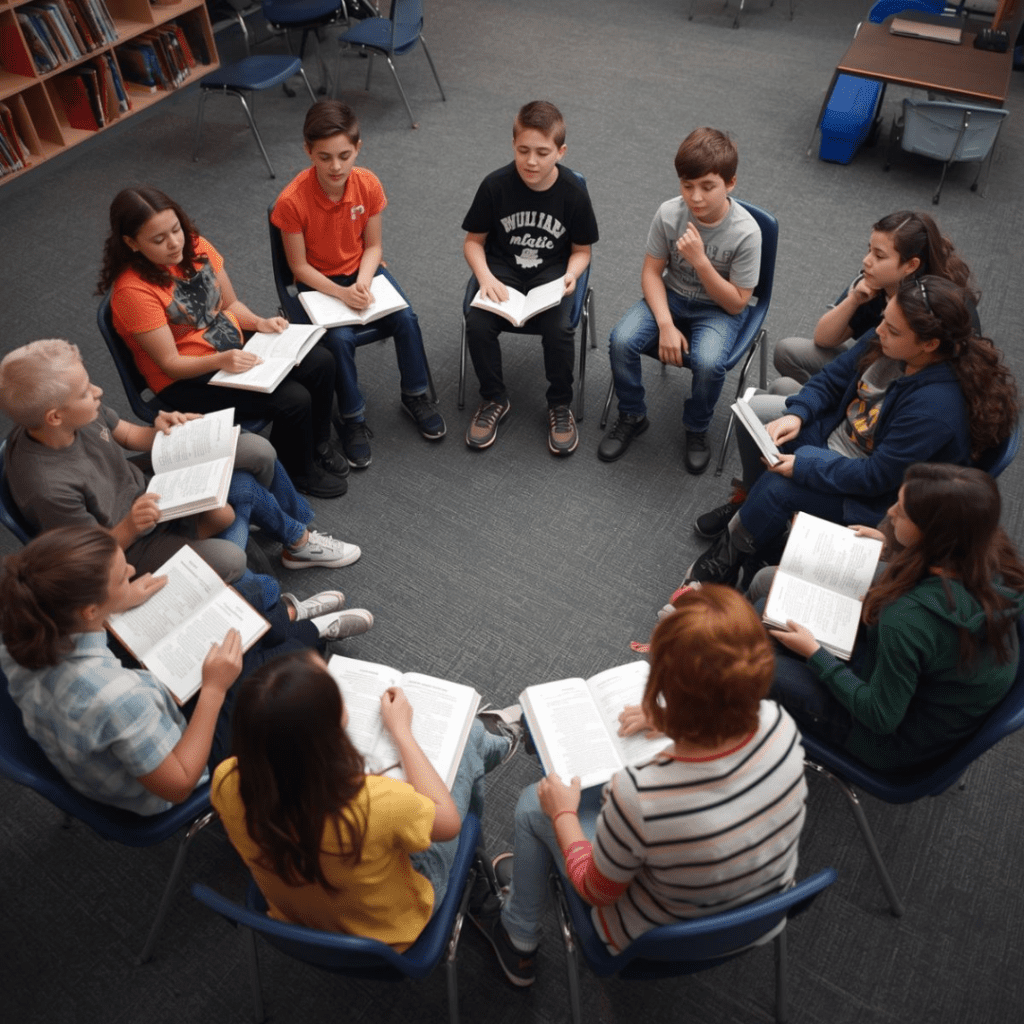
Each seminar should include:
- One clear discussion focus tied directly to the novel (character decision, theme, conflict)
- Short, text-dependent prompts grounded in the current chapters
- Defined time limits (10–20 minutes is enough for most classes)
Repeating this structure across your novel study builds confidence and stamina. Students perform better when the format stays stable.
Teaching the Skills Students Need Before the Seminar
Most Socratic Seminar issues are skill gaps—not behaviour problems.
Before running a Socratic Seminar during a novel study, students must explicitly learn how to:
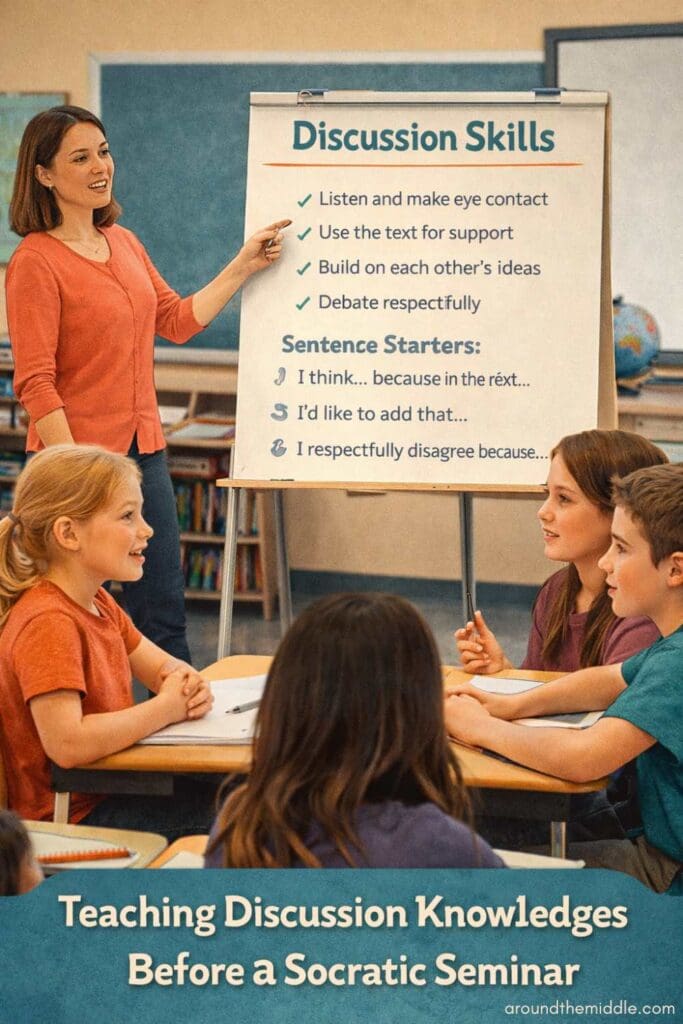
- Refer to the text accurately
- Build on another person’s idea
- Disagree respectfully
- Ask clarifying questions
This is where front-loading matters. A Socratic Seminar bootcamp slideshow gives students a shared language and models the behaviours you expect before they ever sit in a circle.
👉 Grab your free copy here
This step dramatically reduces off-task discussion or the dreaded silence later.
Using Roles to Strengthen Socratic Seminar Discussions in a Novel Study
Roles are not about control—they are about focus.
In a novel study Socratic Seminar, roles help students stay anchored to the text and the discussion purpose. Effective roles include:
- Text Connector
- Clarifier
- Questioner
- Summariser
Rotate roles across seminars so students practise multiple discussion skills throughout the novel study.
The Teacher’s Role During a Socratic Seminar
During a Socratic Seminar, the teacher is not the discussion leader.
Your role is to:
- Observe patterns in thinking
- Track participation and evidence use
- Intervene only to reinforce norms or refocus the discussion
Avoid rescuing silence too quickly. In a novel study Socratic Seminar, pauses often signal thinking, not failure.
After the Socratic Seminar: Reflection That Deepens the Novel Study
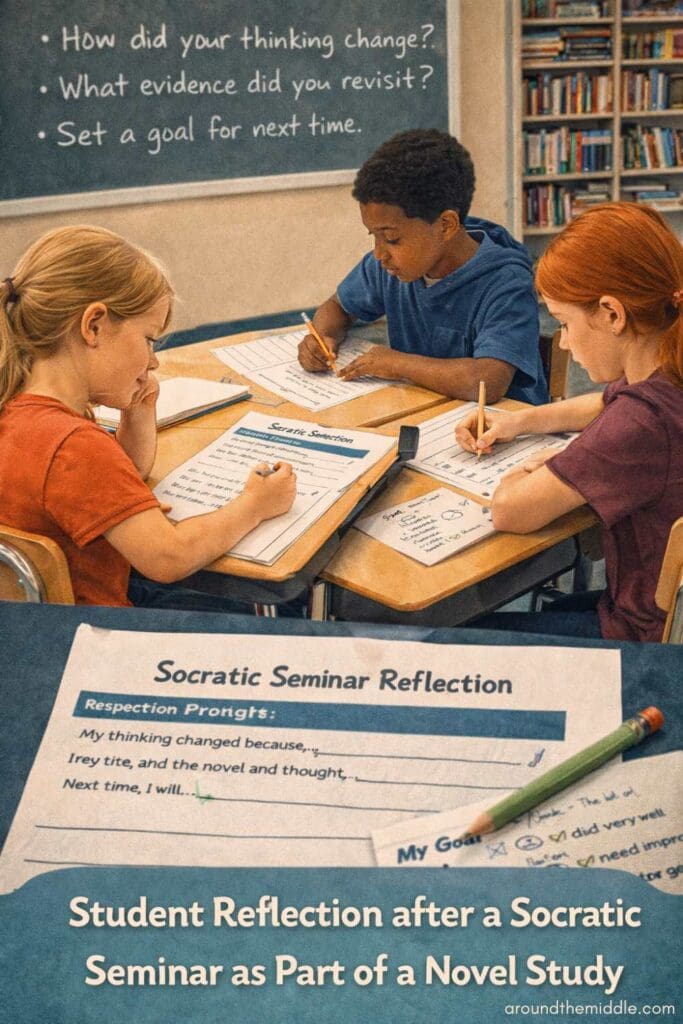
The most powerful learning happens after the discussion.
Following each Socratic Seminar, students should:
- Reflect on how their thinking changed
- Revisit the novel to confirm or revise ideas
- Set one discussion goal for the next seminar
This reflection step turns Socratic Seminar from “talk time” into a transferable literacy skill.
What Comes Next in the Series
In Part 3 of this series, we’ll focus on:
- Assessing Socratic Seminar meaningfully
- Supporting reluctant and dominant speakers
- Sustaining high-quality discussion across an entire novel study
When used intentionally, Socratic Seminar becomes the backbone of an effective novel study, not an add-on.
Happy teaching!