Teaching Figurative Language in Novels: Practical Strategies and Figurative Language Games That Build Real Understanding
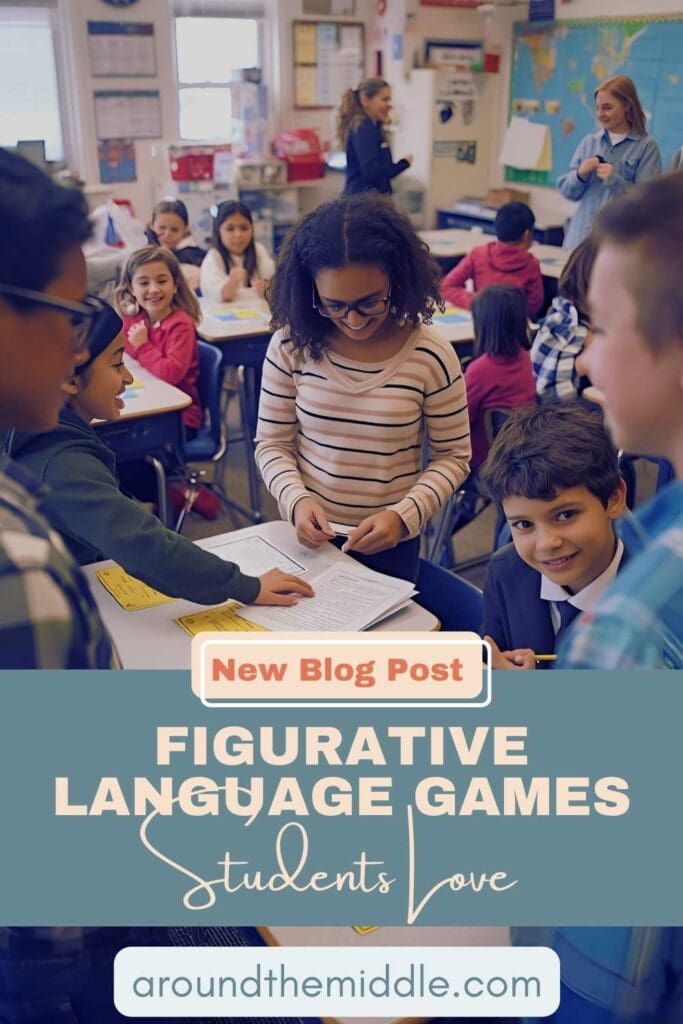
Most students first encounter figurative language through poetry units, yet the deepest insights develop when these devices are studied in novels. Pairing teaching figurative language games with long-form texts, such as class novels, helps students understand how similes, metaphors, symbolism, and irony shape meaning over time. When students learn to track these choices across chapters, they strengthen analytical writing, deepen their comprehension, and build a clearer grasp of the author’s craft.
This post offers practical routines, engaging figurative language games, and movement-based activities—including novel study figurative language scavenger hunts, an interactive word wall, and seasonal tasks—alongside free strategies and a download that teachers can implement immediately.
Why Teaching Figurative Language in Novels Matters
Figurative language works on multiple levels inside a novel. A single metaphor can reveal character, hint at a theme, foreshadow conflict, or subtly shift the reader’s emotional stance. When students learn to view these devices as purposeful decisions rather than decorative language, they begin to read more critically and with greater depth.
Teaching figurative language in context supports students in:
- Identifying how authors craft tone and mood
- Making inferences grounded in evidence
- Tracking symbols that evolve across the text
- Explaining why the author uses a device—not just identifying it
This moves students toward more mature, analytical interpretations.
No-Prep Strategies for Teaching Figurative Language
These short routines require no printing or materials and can be seamlessly added to any novel study.
Daily “Figure It Out”
Display a short excerpt and ask students to identify the figurative device and briefly explain its effect in the scene.
Symbol or Metaphor Tracking
Students keep a running list of repeated symbols or metaphors across the novel and periodically reflect on how their meaning develops.
Three-Layer Meaning Check
Students summarise the literal meaning, implied meaning, and the author’s purpose. This provides a quick entry point into close reading.
Character Lens Collection
Assign each group a character and have them collect figurative language connected to that character. Students later compare their findings, building a collaborative understanding of character arcs.
Tone Shift Rewrite
Provide a neutral sentence from the chapter. Students rewrite it using different devices to shift its tone, reinforcing both comprehension and writing craft. revision strengthens, weakens, or complicates the original argument. This added layer not only deepens comprehension but also builds confidence in speaking, reasoning, and supporting claims—skills that transfer seamlessly into your broader novel study work.
Figurative Language Games That Strengthen Novel Analysis
Students learn deeply when they’re engaged. These figurative language games provide movement, collaboration, and flexible thinking without sacrificing academic rigor.
1. “Match the Meaning” Challenge
Students pair figurative lines from the novel with their correct interpretations. Adding a few distractors forces students to rely on context clues rather than choosing the obvious answer. After matching, groups briefly justify what in the text led them to their interpretation. This builds confidence in analysing figurative meaning, not just identifying device types.
2. “Device Detective” Speed Search
Students skim a selected passage to locate examples of figurative language, but the key requirement is explaining why the author used the device in that moment. The fast pace keeps energy high while the purpose-focused explanation ensures meaningful analysis.
3. Pass-the-Phrase
Start with a simple, literal sentence tied to the novel’s events. Students take turns transforming it using different devices before passing it on. This chain of transformations encourages creative risk-taking while demonstrating how figurative choices shift tone and meaning.
4. Symbolism Snap Figurative Language Games
Students choose an object, moment, or image and explain how it might symbolise a broader idea or theme. This quick reasoning exercise builds flexibility and prepares students for richer thematic discussions.
Novel Study Figurative Language Games – Scavenger Hunts
Figurative language scavenger hunts can transform passive reading into active investigation. Students get out of their seats, work with peers, and identify figurative language within the novel. This movement-based structure increases engagement, boosts retention, and helps students sustain focus during analysis-heavy lessons.

As students move from card to card, identifying the figurative language in excerpts from the novel, they naturally discuss the type of figurative language and why. The best conversations you will hear are those when two students disagree and justify why they are right. These hunts are especially effective as stations, small-group tasks, or end-of-chapter reinforcement. I’ve added a bonus 4-digit code to solve and a ‘secret’ word to decode to add a bit of ‘escape room’ type fun and competition to the scavenger hunt. If you don’t have time to make up your own, grab my novel-specific figurative language scavenger hunts here.
Interactive Figurative Language Games – Word Wall
Like a scavenger hunt, an interactive word wall becomes far more valuable when students physically build and contribute to it and get out of their seats to interact with it. I’ve added an interactive nature to my word wall that has students putting each type of figurative language into their own words, creating their own sentences, and even drawing their own example of it. This hands-on movement helps students internalise terminology and encourages them to revisit the wall as a reference point.

Working together and having students add their own posters for the word wall also promotes peer teaching. Students explain devices to one another, compare examples across chapters, and make connections between figurative language and author’s craft. The wall evolves with the novel, becoming a visual record of learning. And also like the novel figurative language scavenger hunts above, I like to add an ‘escape room’ feel to my interactive word wall with a secret word and number. Check it out here.
Seasonal Figurative Language Games – Scavenger Hunts
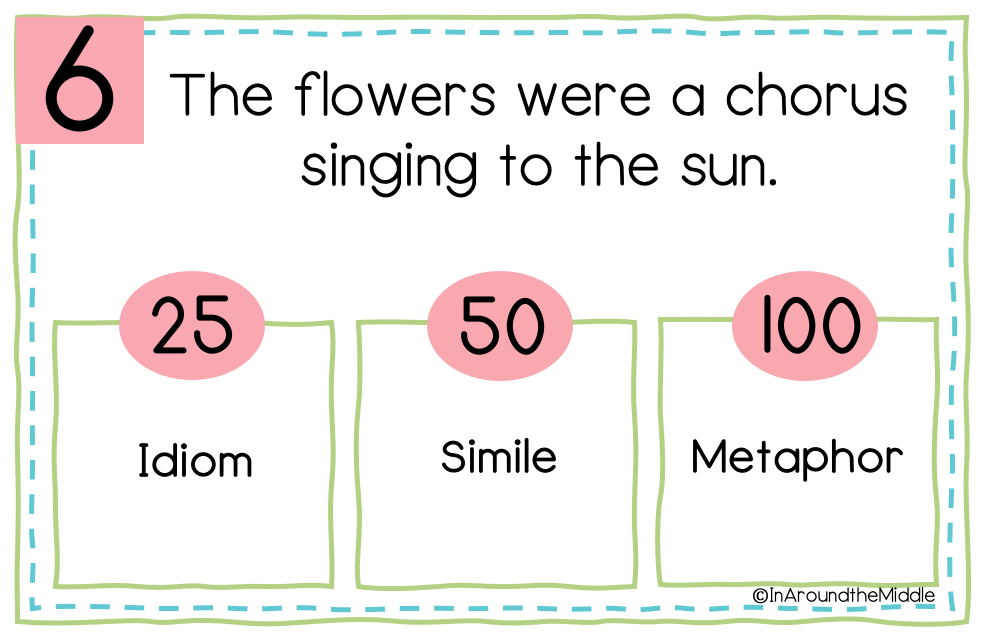
After you’ve established figurative language with your class novel, seasonal scavenger hunts offer a fresh way to reinforce essential skills while maintaining engagement. These tasks allow students to move around the room, collaborate in pairs or small groups, and practise identifying figurative devices in new contexts. They make excellent warm-ups, early-finisher activities, or short literacy rotations that still support your core goals. They are also a great way to have a seasonal celebration with an educational twist!
Free Classroom Ideas to Strengthen Figurative Language Skills
To support teachers who need immediate, no-cost strategies, these free ideas require little preparation.
Whole-Class Figurative Language Walk
Post excerpts around the room. Students rotate, quickly identify devices, and jot down what effect each example has on the reader.
Author’s Craft Paragraph Study
Choose one paragraph and unpack every device together. This builds analytical stamina and shows how authors layer meaning.
Student-Created Example Bank
Students create figurative language examples inspired by the novel’s setting, conflict, or characters. Over time, the class builds a strong shared bank.
Colour-Coded Annotation
Assign colours to each device type. Students annotate a shared page and visually see how figurative language supports meaning.
Bonus Figurative Language Freebie
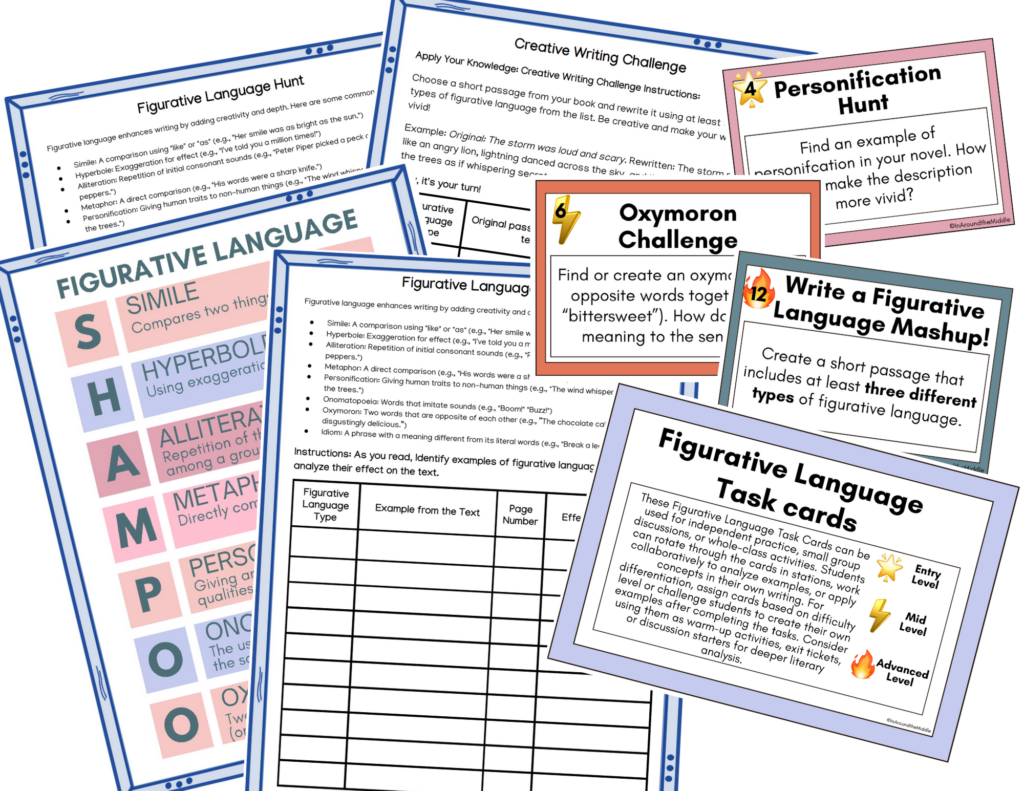
This figurative language freebie gives teachers a simple, ready-to-use entry point before moving into full scavenger hunts or interactive tools. It pairs smoothly with the games, routines, and movement-based tasks in this post—helping students build foundational skills that transfer across any novel.
Final thoughts: A Sustainable, Engaging Approach to Teaching Figurative Language games
Effective instruction blends direct teaching with movement, collaboration, and repeated practice in authentic contexts. When students encounter figurative devices inside a novel—and experience them through engaging figurative language games, scavenger hunts, and hands-on tools—they develop a deeper understanding of how authors craft meaning.
Encourage teachers to explore the freebie, try the no-prep routines, and choose the ready-made tools that best support their classroom needs. If you’re looking for more ideas, check out my earlier post on the gamification of figurative language.
Happy Teaching!