Pre-Reading Novel Study Guide: How to Motivate Students and Spark Curiosity in Any Novel
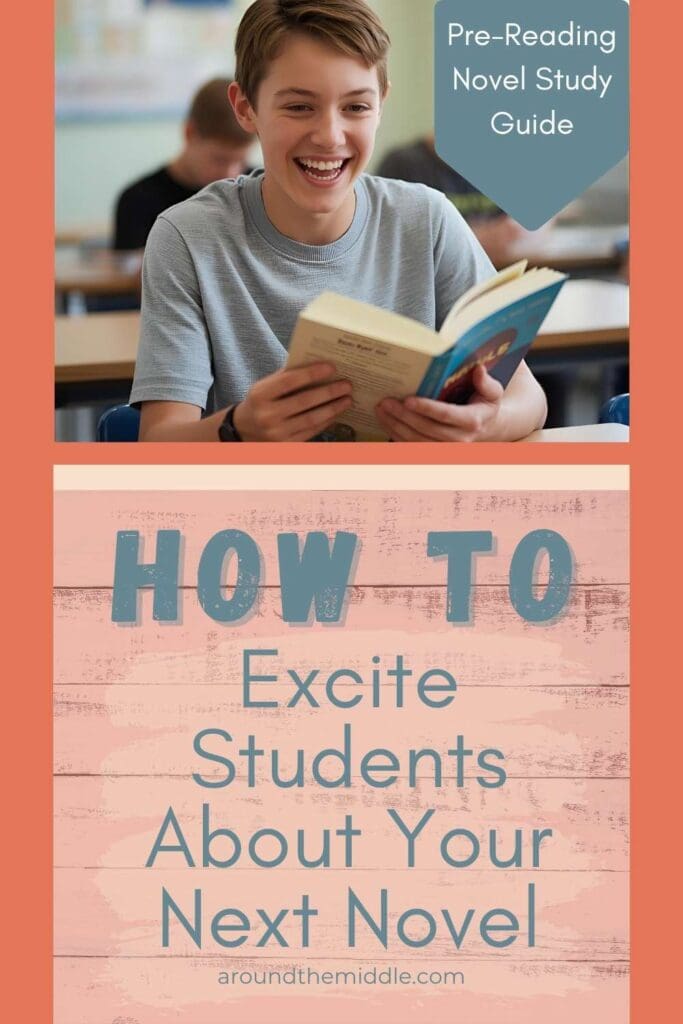
When it comes to teaching a class novel, too many teachers start with “Open to Chapter One.” But the best novel studies start long before that moment — when curiosity sparks, predictions form, and students begin connecting new ideas to what they already know. This Pre-Reading Novel Study Guide walks you through practical, engaging ways to build background knowledge, introduce big ideas, and get your students genuinely excited about reading — with or without pre-made resources.
Why a Pre-Reading Novel Study Guide Matters
Strong readers don’t just dive into a book — they wade in thoughtfully. A well-planned pre-reading novel study gives students the foundation they need to access deeper meaning, themes, and vocabulary once the story begins.
It also helps level the playing field for students who may not share the same background knowledge or experiences. Instead of starting with a plot summary or author bio, start with connections, curiosity, and confidence.
If you’re still choosing the perfect text, explore these guides to help you find a book that fits your class:
- How to Choose the Right Class Text for Grades 2–4
- The Ultimate List of Back-to-School Books for Grades 4–6
- Powerful Back-to-School Books for Grades 6–8
All three include ideas and themes you can adapt into your pre-reading activities right away.
Your pre-reading novel study guide – Step 1: Connect Students to Key Themes and Ideas
Before your students meet the characters, help them connect to the novel’s central question or theme.
Use pre-reading strategies such as:
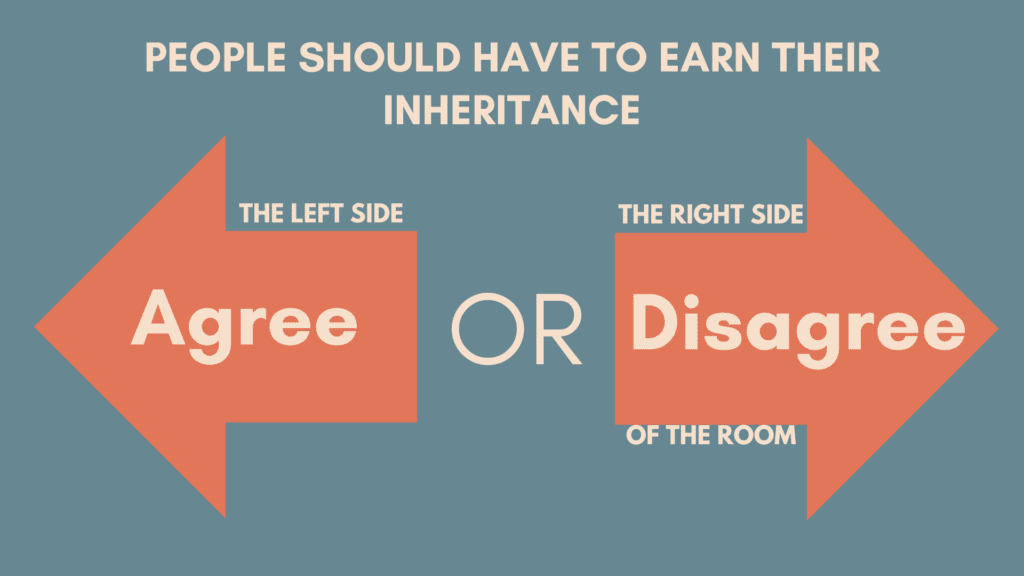
- Quick debates: Pose a statement tied to your book’s theme — “Should you always stand up for what’s right, even if it means standing alone?”
- Scenario predictions: Present short “What would you do?” dilemmas that mirror upcoming conflicts.
- Concept mapping: Brainstorm everything students associate with a big idea (e.g., friendship, courage, justice).
If you’d like ready-made prompts, my Pre-Novel Debates include discussion statements and teacher talking points connected to popular classroom novels.
Step 2: Build Background Knowledge with a Pre-Reading Scavenger Hunt
A thoughtful Pre-Reading Novel Study Guide includes at least one task that builds context around setting, culture, or theme. A scavenger hunt is ideal — it’s interactive, self-paced, and gets students talking.
You can try:
- Clue-style hunts where students match facts about the author or setting.
- Visual gallery walks using images or maps from the time period.
- Prediction hunts where students guess which clues might connect to the story.
- Context investigations that explore real-world issues from the book — for example, researching Treacher Collins syndrome when introducing Wonder, or the Great Depression before reading Bud, Not Buddy.
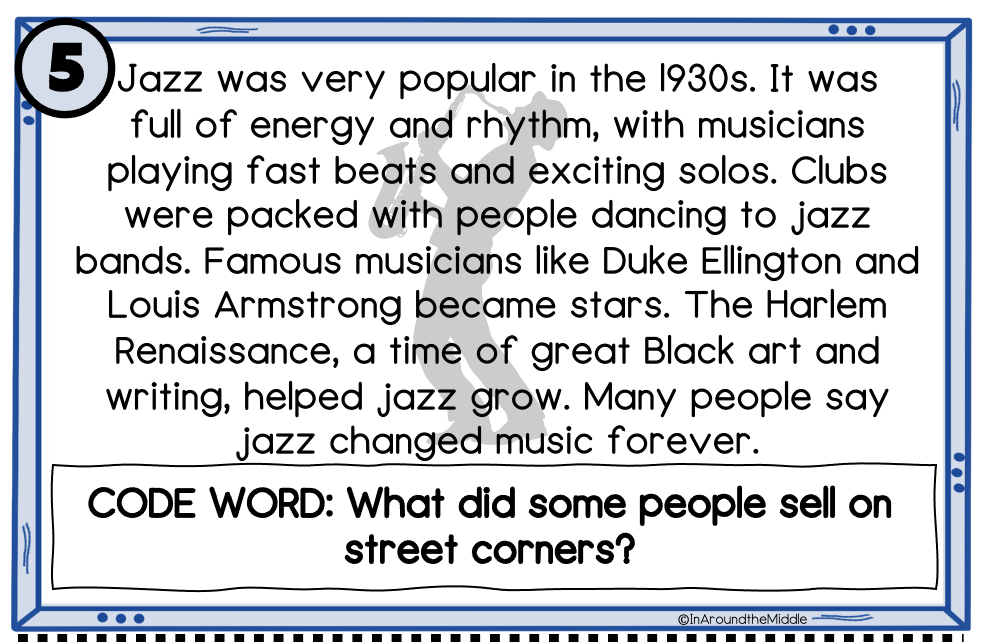
For teachers who want to save prep time, my Novel-Specific Pre-Reading Scavenger Hunts are already designed around these ideas. But you can easily create your own with Google Slides, QR codes, or printed clue cards.
These activities make excellent before reading activities to build background knowledge and curiosity while giving every student a chance to engage meaningfully.
Step 3: Teach Vocabulary and Concepts in Context in your novel study guide
Every Pre-Reading Novel Study Guide should include a focus on vocabulary — but not through rote memorization. Introduce new words as part of broader ideas, not as standalone definitions.
Try grouping key terms by theme or emotion, then have students predict how those words might appear in the novel.
Example: For Holes by Louis Sachar, preview terms like justice, dig, and fate, and ask students what connections they notice among them.
This builds conceptual understanding and strengthens comprehension once the reading begins.
Step 4: Pre-Reading Novel Study Guide – Hook Students Emotionally
Before opening the book, your goal is simple: make students want to read it.
Here are a few engaging novel study introduction ideas that work with any text:
- 🎬 Book trailers: Show a short clip or have students predict the story from the cover and blurb.
- 📝 Mystery quotes: Post key lines from the novel and have students guess who said them or what they might mean.
- 💭 Journal prompts: Ask thought-provoking questions tied to major themes — for example, “When is it okay to break a rule?” – Great tie-in to your pre-reading debate!
These activities take only a few minutes to set up but go a long way in creating emotional investment.
Step 5: Plan for Thinking, Not Just Reading
The real purpose of a Pre-Reading Novel Study Guide isn’t to give away the plot — it’s to prepare students to think critically about what they’re about to read.
When students begin a novel with clear context, curiosity, and conceptual awareness, they engage with far greater depth.

Be intentional about including:
- A mix of individual reflection and collaborative discussion.
- Opportunities for students to question, not just answer.
- Creative responses that promote ownership and curiosity.
To help with novel selection, grab my Recommended Novel List Freebie — a teacher-friendly guide to engaging, classroom-tested books across upper elementary and middle school.
Final Thoughts: Pre-Reading Is the Foundation of Real Engagement
When teachers skip pre-reading, students often read at surface level. But when we invest time in curiosity, context, and discussion, the novel becomes far more than a reading assignment — it becomes a shared journey of discovery.
A Pre-Reading Novel Study Guide helps you design that journey. It’s the foundation for deeper comprehension, more confident readers, and a classroom that’s eager to turn the page.
Next up in this series: “During the Novel: Keeping Students Engaged and Thinking Deeply.” We’ll explore how novel study activities can evolve with the story — from figurative language hunts to flexible task cards that build higher-level comprehension.
Happy teaching!