The Active Novel Study ideas Framework: An Ultimate Guide for ELA
The Ultimate Active Framework for Novel Study Ideas in Middle School ELA
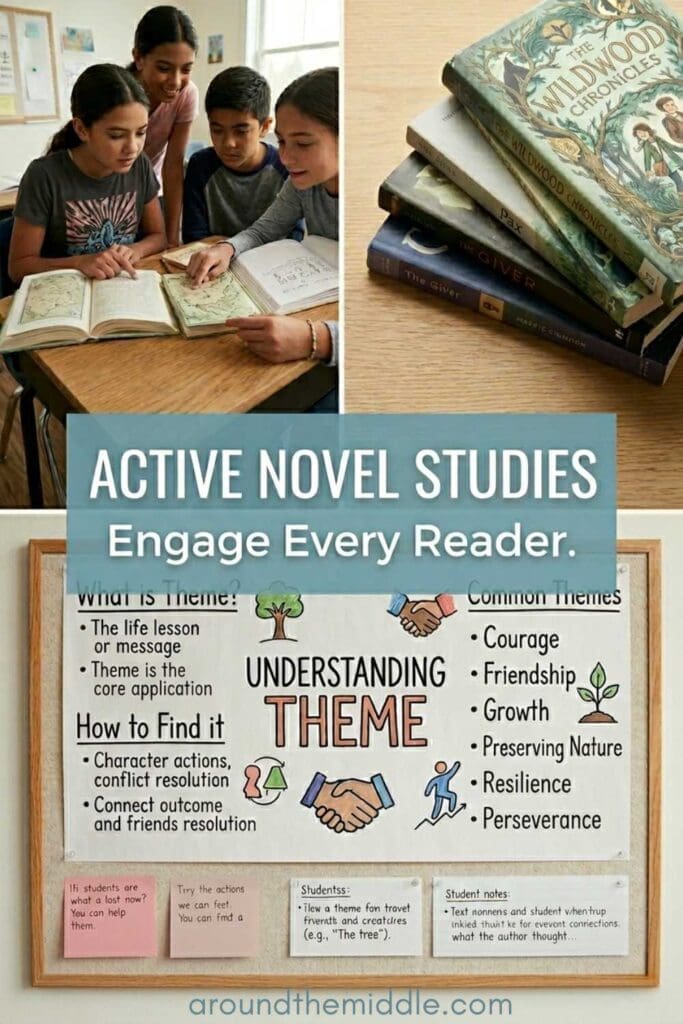
We’ve all been there: the collective groan that ripples through the classroom when a thick book is placed on a student’s desk, followed by the inevitable question, “Are we just doing a worksheet packet for this?” At In Around the Middle, I believe that when you are brainstorming novel study ideas, upper elementary and middle school ELA units should be the absolute highlight of your curriculum, not a repetitive chore. By replacing stagnant reading packets with Active Thinking and Productive Struggle, we can transform reading from a passive task into a dynamic, movement-based experience.
This comprehensive framework breaks down our favorite novel study ideas for upper elementary middle school ELA into four essential, actionable phases to keep engagement high and your planning stress low.
Phase 1: Strategic Planning for Success
Before the first book is even opened, a successful unit relies on intentional mapping. In the middle school landscape, our daily reality often involves managing split-year levels or navigating vastly different reading abilities in a single room.
The key is to focus on a high-level plan that allows for flexibility without sacrificing academic rigor. For a deep dive into how I organize a full quarter of reading in a single sitting, check out The Ultimate Time-Saving Plan: Map a Term of Novel Study in One Afternoon.
If you are currently struggling to balance a diverse range of learners, I’ve shared my exact approach to Finally Love Novel Studies: Differentiating for Split Year Levels, which ensures every student can access the text at their specific level. Finally, if you’re stuck on text selection for next term, see my tips on Novel Study Ideas for Mid-Year: Choosing the Right Text.
Phase 2: Actionable Novel Study Ideas, Middle School ELA Style (The Launch)
The “hook” of your unit is just as important as the final chapter. If we can build anticipation before students even read page one, they are far more likely to stick with the story when the plot gets dense and the text demands more stamina.
I always start by building a sense of mystery and curiosity in the room. You can find my specific motivation strategies in the Pre-Reading Novel Study Guide: How to Motivate Students. For educators looking to replace traditional, boring introductory slide decks with something much more tactile, I’ve outlined how to Transform Pre-Reading Activities with These Creative Ideas. Establishing this high-utility energy early on is vital, as I discuss in my step-by-step guide to Breakthrough Novel Study Activities for Week One.

Phase 3: Engaging Readers During the Book
Once the actual reading begins, your primary goal is to prevent the dreaded “mid-book slump.” This is where movement-based learning becomes your best classroom management tool. Instead of requiring students to sit quietly and answer comprehension questions, get them out of their seats.
I prioritize hands-on thinking through Dynamic Novel Study Activities to Bring Energy During Reading. These movement-based strategies aren’t just “fluff” or filler—they are a deliberate way to deepen comprehension without the burnout of standard quizzes. If you need a reliable way to check for understanding, try these 10 Breakthrough Ways to Elevate Reading Comprehension Checks that prioritize critical thinking and peer discussion over simple memorization.
Phase 4: Rigorous Novel Study Ideas for High-Level Literary Analysis
In the final phase of the framework, we move students intentionally from “what happened” in the plot to “why it matters” to the world. This is where your classes engage in the heaviest intellectual lifting of the curriculum: the deep analysis of theme and inference.
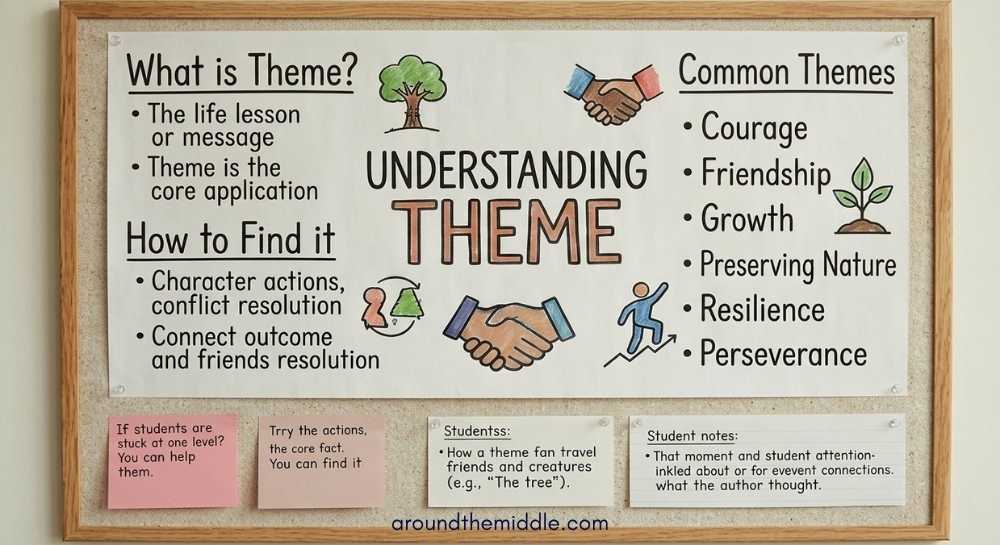
Teaching abstract literary concepts doesn’t have to feel like pulling teeth if you provide the right visual scaffolds. I’ve refined a teacher-tested system for Teaching Theme in Literature Made Easy that helps students identify motifs and track them dynamically through the text. To sharpen their textual “detective skills” before tackling complex imagery, I also use Magical Mystery Stories: Teaching Inferences Made Easy, which serves as a perfect bridge into rigorous literary analysis.
Bringing the Framework Together
At the end of the day, a novel study should be more than just a box to tick off in your curriculum; it should be a shared experience that builds a community of thinkers. By moving away from stagnant worksheets and toward a framework rooted in Active Thinking and Movement-Based Learning, you’re not just teaching a story—you’re teaching students how to navigate “productive struggle” with confidence.
Whether you are just starting your planning or looking for a way to breathe new life into a mid-year text, remember that the most impactful lessons happen when students are out of their seats and deeply connected to the text. Use these strategies to bridge the gap between simple comprehension and high-level analysis, ensuring your middle schoolers leave your classroom not just as better readers, but as critical thinkers ready for the next challenge.

Ready to transform your next unit?
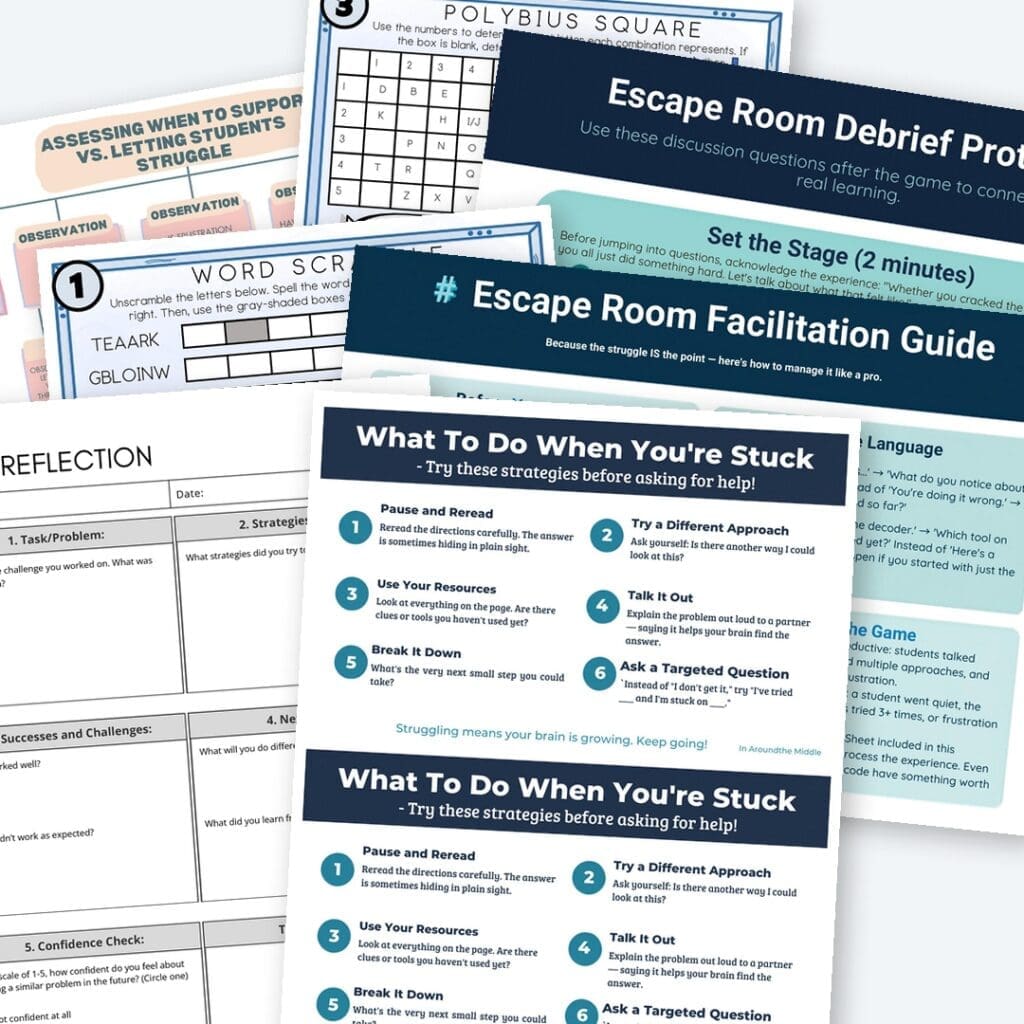
- Grab the Freebie: Want to push your students past simple recall without the pushback? Download my free Productive Struggle Guide to get actionable strategies that keep students engaged when the thinking gets tough.
- Explore the Resources: Visit the In Around the Middle TPT Store for classroom-ready novel studies, movement-based escape rooms, and scavenger hunts.
- Join the Community: Sign up for my email list to get high-utility tips and “mentor-peer” advice delivered straight to your inbox.
Keep Thinking: Which of the four phases will you tackle first in your next novel study?
Happy Teaching!