Independent Novel Study Activities: The Ultimate Framework for Calm, Productive Classrooms
Teachers know the constant balancing act: keep students engaged without sacrificing depth, structure, or standards. “Fun” can’t replace rigorous practice—but it can certainly fuel it. That’s where independent novel study activities come into their own. When designed well, these tasks push students to think critically, respond authentically, and engage deeply with the text while still working at their own pace.
If you’re searching for low-prep novel study ideas that elevate analysis rather than dilute it, this approach delivers both structure and spark. The example below uses Holes by Louis Sachar, but every strategy is transferable to any novel you teach.
Why Independent Novel Study Activities Work
Independent tasks give students autonomy, but autonomy doesn’t equal disengagement. The trick is designing activities with:
- built-in accountability
- clear cognitive demands
- structured choice
- opportunities for meaningful interaction with the text
Students can work solo while still tackling high-rigor thinking moves: connecting ideas, evaluating evidence, analysing author craft, and tracing themes. When independence meets challenge, you get what can only be described as rigorous fun—academic depth wrapped in genuinely enjoyable tasks.
For teachers looking for a sustainable planning model, pairing these ideas with this internal guide—The Ultimate Time-Saving Plan: How to Map a Term of Novel Study Activities in One Afternoon—creates a reliable blueprint for the entire term.
What Makes an Activity Both Independent and Interactive?
An activity becomes interactive when it forces the student to do something meaningful with the text, rather than passively answer recall questions. That interaction might involve:
- solving a puzzle
- tracking patterns or textual clues
- making decisions
- ranking, sorting, grouping, or categorising evidence
- evaluating a character’s choices
- defending an idea
These tasks work beautifully alongside independent novel study activities because the student becomes the driver, not the passenger.
In Holes, for example, the layered plot, dual timelines, rich symbolism, and interconnected mysteries provide endless opportunities for self-paced analysis.
Independent Novel Study Activities That Build Real Rigor
1. Self-Paced Novel-Based Escape Rooms
Escape rooms don’t have to be noisy, chaotic group events. A well-designed puzzle path can be entirely self-directed and fully aligned with academic standards.
Take Holes. Students can work through pathways such as:
- decoding a timeline of events between the past and present
- analysing clues connected to the yellow-spotted lizards
- sequencing character interactions and cause-and-effect chains
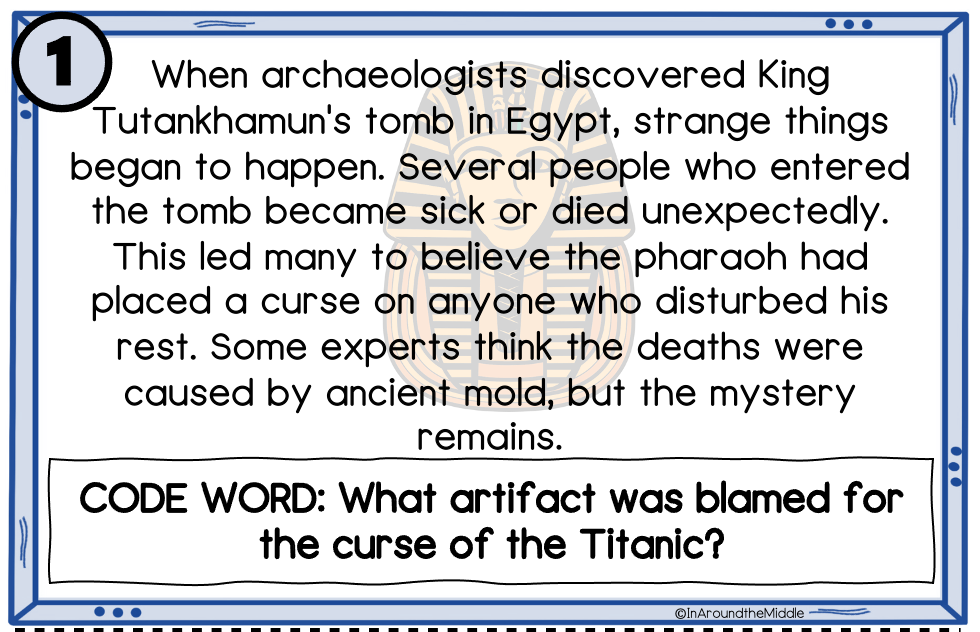
- examining author foreshadowing to solve a “mystery lock”
- create review questions with puzzles to decode
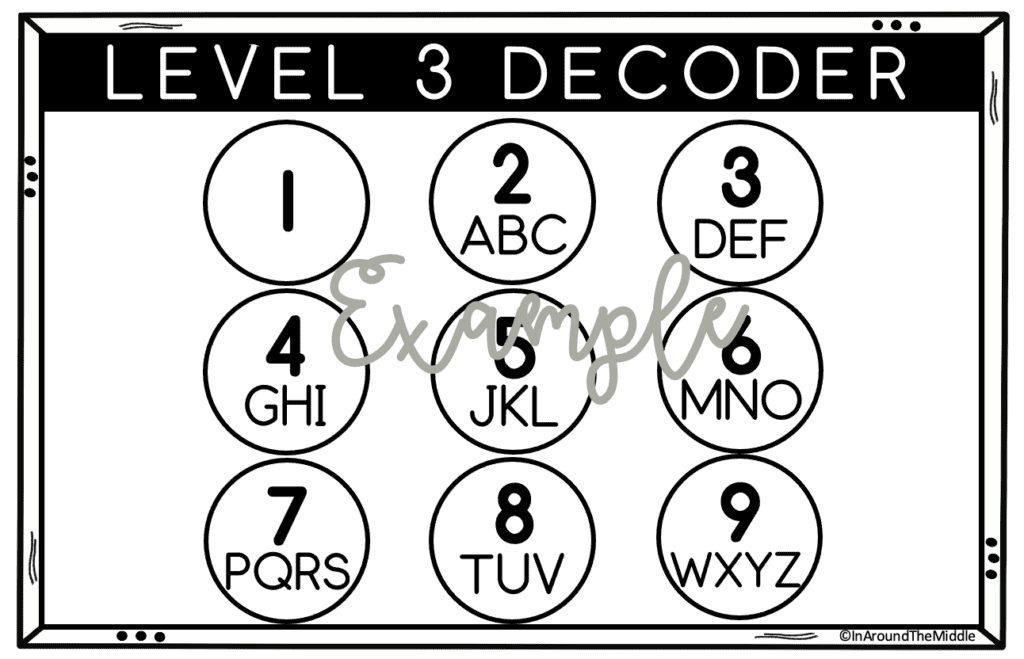
Students stay engaged because every task feels like a challenge, but each puzzle requires text evidence, precise comprehension, and strategic thinking.
This is one of the most powerful independent novel study activities because it blends fun with authentic reasoning.
2. Solo Scavenger Hunts for Deep Text Analysis in Independent novel study activities
Scavenger hunts are ideal low-prep novel study ideas with high impact.
In Holes, students might hunt for:
- examples of figurative language
- clues about family history and generational consequences
- character motivations supported by direct quotes
- shifts between timelines
- hints about the overarching mystery
- gathering background information before reading the novel
Because the search is self-paced, students focus more intently on the text. It becomes a meaningful evidence-gathering mission rather than passive reading.
3. Independent Debate Preparation Task
Debates are often seen as group activities, but the independent preparation stage is exceptionally rigorous.
Using Holes, students might prepare evidence for statements such as:
- “Stanley’s choices matter more than his destiny.”
- “Camp Green Lake does more harm than good.”
- “Zero is the strongest character in the novel.”
Students build claims, gather quotations, and evaluate counterarguments—all without teacher scaffolding. This transforms debate prep into one of the strongest independent novel study activities you can include.
4. Choice-Driven Reflection and Analysis Tasks
Independent novel reflection doesn’t have to be dry. Well-designed choice tasks can maintain rigour while giving students a sense of ownership.
Examples include:
- character transformation maps
- guided theme responses
- “rank and justify” tasks (e.g., ranking the most influential plot events)
- creative evidence challenges (“Find a quote that proves…”)
- short analytic paragraphs with sentence stems for structure
These activities deepen comprehension while remaining teacher-friendly and flexible.
Low-Prep Novel Study Ideas That Still Deliver Interaction
Not every unit requires elaborate preparation. Teachers need tasks that work every time, with any novel, and without hours of setup.
Here are reliable low-prep novel study ideas that pair seamlessly with your interactive activities:
- task-card stations
- thematic hexagons or literary thinking tiles
- vocabulary evidence challenges
- quick inference warm-ups
- pre-, during-, and post-reading responses
- character or setting snapshots
- theme-spotting mini tasks
These complement escape rooms, scavenger hunts, and debate prompts by giving students a balanced mix of independence and structure.
Final Thoughts: Why “Rigorous Fun” Should Drive Your Novel Studies
Interactive instruction is not a trade-off with academic expectations. When students have the freedom to grapple with text through puzzles, challenges, debates, and structured problem-solving, they learn more—and they enjoy it.
Independent tasks give space for deep thinking. Interactive elements keep motivation high. And when combined with low-prep novel study ideas, you get a practical, sustainable model that works across an entire teaching year. If you want more ideas for mapping a full term of reading instruction, this post will walk you through how to do it in a single afternoon.
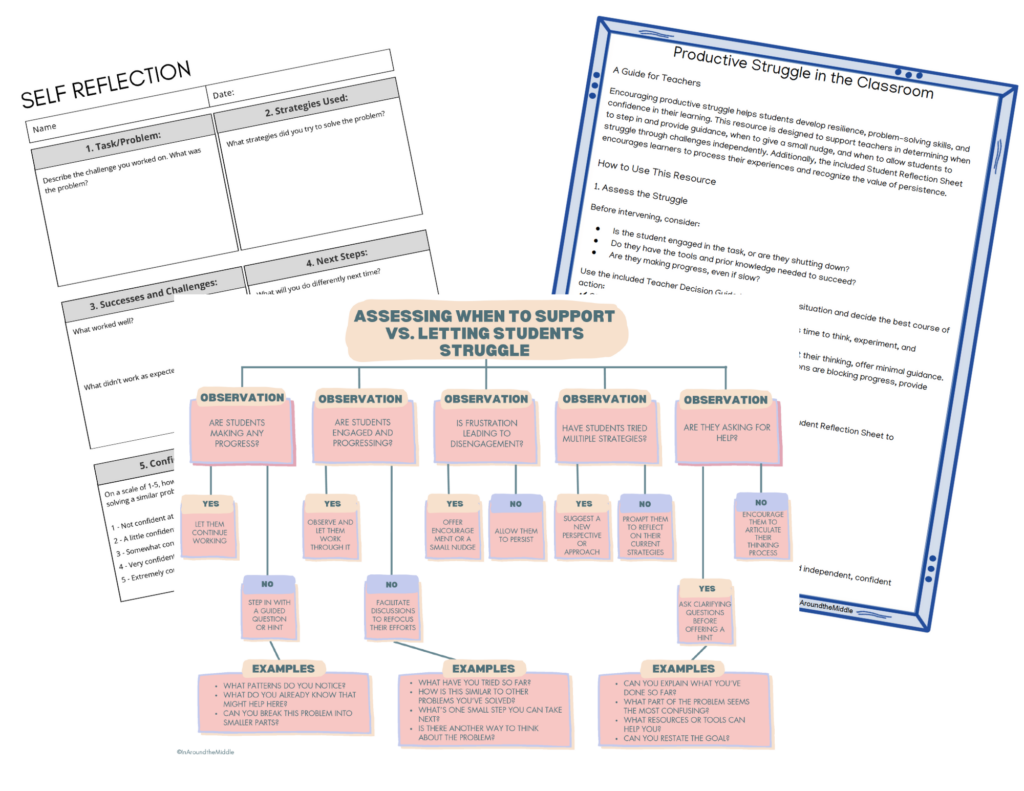
Your students stay challenged. Your planning stays manageable. And your novel studies finally feel like they’re delivering the best of both worlds. Before you plan your next novel unit, make sure you grab my free Productive Struggle resource. It gives you ready-to-use prompts and strategies that help students embrace challenge, build resilience, and push their thinking further—perfect for strengthening the independent tasks in this post.
Happy teaching!